The Danish Girl
Intensely emotional new film The Danish Girl – based on the life of transgender artist Lile Elbe – had an Adelaide audience in tears for the better part of its two-hour preview screening, writes Heather Taylor Johnson.
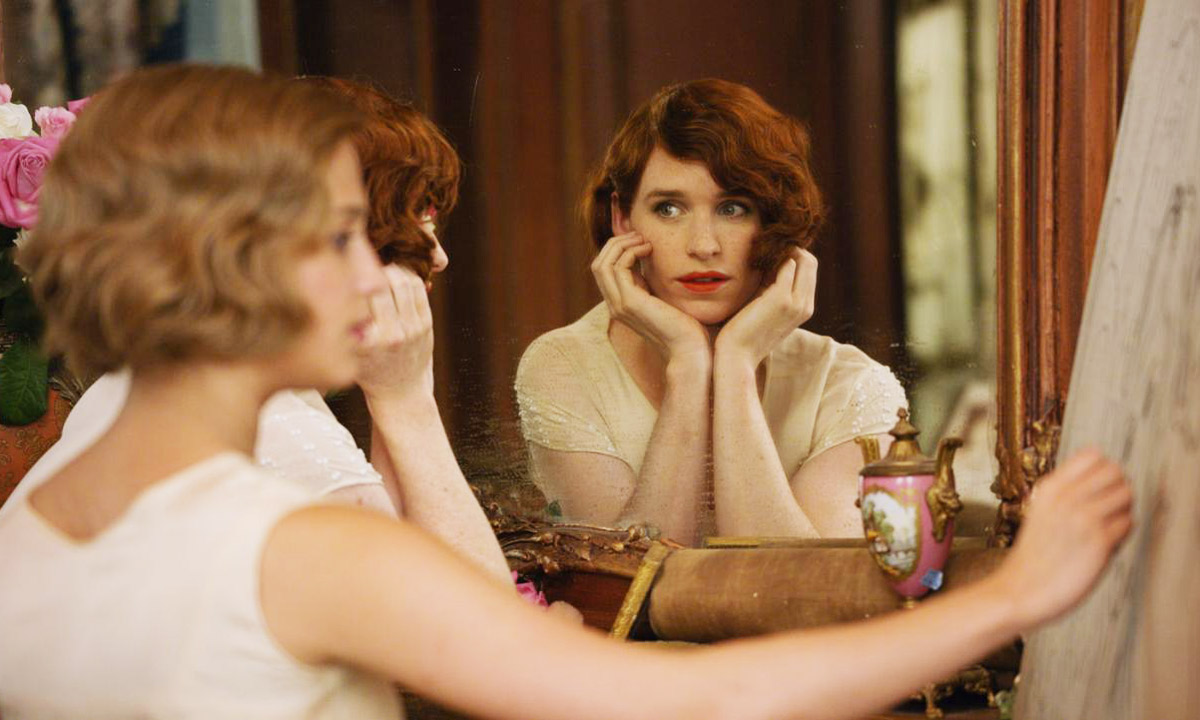
It’s 1926 in Copenhagen and the artist Einar Wegener pulls silk stockings over his legs and forces his foot into a pair of heels.
His wife needs to finish a painting of a woman – the legs are not yet completed – and her husband is there to help. What seemed a fortuitous solution to a no-show model for the artist Gerda Wegener becomes a pivotal moment in both of their lives, for it is the catalyst to Einar’s transition to Lili.
The Danish Girl is based on the true story Lili Elbe, born Einar Wegener, one of the first transgender women to undergo surgery for sex reassignment.
What looks from the trailer to be an inspirational story of love and transcendence is ultimately a terribly heartbreaking film.

Einar (played masterfully by Eddie Redmayne, who won the Best Actor Oscar for his role as Stephen Hawking in The Theory of Everything) and Gerda (played by the equally talented Swedish actress Alicia Vikander) are serious artists and playful lovers. It is clear from the beginning that these two share a deep and enviable connection.
It is Gerda who suggests Einar attend an artists’ ball as Lili and so begins the love triangle between Einar, Gerda and Lili. It cannot end well; it must be doomed to fail.
But as Lili becomes more and more of a presence and Einar seems to disappear, Gerda remains supportive and strong, professing her love in an almost desperate way.
For me, it’s Gerda whose character shines and it’s ultimately with her where my allegiance resides. Not that the film encourages its viewers to choose sides – far from it – but the stand-out sentiment of the film seems to be when Lili tells Gerda: “You make me beautiful, and now you make me strong – such power in you”. It’s almost as if director Tom Hooper (The King’s Speech) intended the story to be hers.
Hence, my major concern with the film: why such a bad title? It comes from American writer David Ebershoff’s fictionalised book about Lili Elbe, but even if the story’s only focus was on Einar/Lili, it’s still a pedestrian title and the story deserves better.
Subscribe for updates
Such is my case for the film: Gerda deserves better. And such is the case for transgendered people: Lili, who is a woman, deserves better.
But I don’t want to end on a low note because it’s rather nit-picky. This movie had a theatre full of people in tears, myself included, for the better part of two hours. It’s intensely emotional and so aesthetically overwhelming that it’s sure to play a major role at this year’s Oscars.
Want to see more stories from InDaily SA in your Google search results?
- Click here to set InDaily SA as a preferred source.
- Tick the box next to "InDaily SA". That's it.
Free to share
This article may be shared online or in print under a Creative Commons licence