Festivals success prompts renewed call for SA arts funding boost
Record-breaking box-office figures for the 2017 Adelaide Festival and Fringe add weight to the call for increased investment in South Australian artists, says Arts Industry Council of SA chairperson Gail Kovatseff.
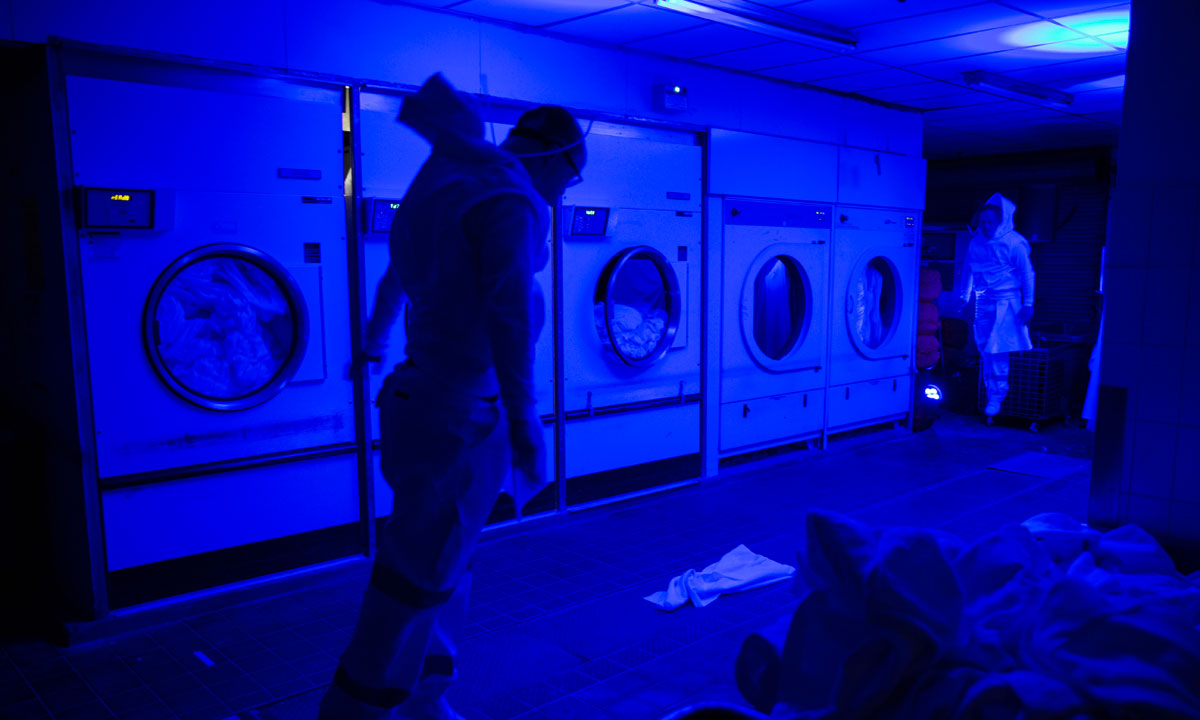
The Festival yesterday announced a 2017 box office income of more than $4.08 million (excluding WOMADelaide) – the highest since it began in 1960 and up 44 per cent on last year. The total audience increased 7 per cent, with 10 shows in co-artistic directors Rachel Healy and Neil Armfield’s inaugural program selling out.
Fringe ticket sales increased 9 per cent from last year, to 655,541 tickets sold worth a total of $16.2 million.
Kovatseff described the results as “amazing”, saying they illustrated the support for the arts sector.
She said the success of the festivals also reinforced the case for more SA Government investment in what the AICSA describes as “the heart of art-making in South Australia” – independent artists and small to medium arts companies.
“All work is developed by artists individually or in a company – I think we need to look at the fact that the kind of programs that are doing that work in SA have lost significant funding in the last few years.
You might like
“If you want to have an arts community and an arts industry where South Australians participate and tour and have work that they can take out globally and show in our own festivals, we need to look at the development of individual artists and the companies that tend to develop new works, which is often the small to medium sector.”
This year’s Adelaide Festival included two premieres by South Australian companies – Backbone by Gravity and Other Myths and sold-oput show Intimate Space by Restless Dance Theatre – while the Fringe program featured a strong contingent of locally produced shows.
Kovatseff stressed that the Arts Industry Council of SA was asking for increased arts funding, not a rejigging of the current budget.
In a letter to the State Treasurer last November, the council proposed five initiatives it said were crucial to retaining Adelaide’s reputation as an arts capital.
Subscribe for updates
The proposed initiatives would see more than $17 million invested in “small-to-medium arts organisations, individual artists and innovation in the arts” over four years, and will be discussed next week at a meeting between AICSA representatives and Arts Minister Jack Snelling.
“We want to have the great national and international works [shown at Adelaide’s festivals], and if we want to have SA artists participate in other festivals at that level, we need to do the groundwork, which is investing in development, investing in artists and in small to medium companies, and investing in the capacity for the bigger companies to commission local work,” Kovatseff told InDaily this morning.
“That’s just a basic part of the ecology.”
The South Australian arts sector has faced a tumultuous 12 months as a result of uncertainty over state funding (proposed cuts to the Arts SA budget were later reversed) and cuts inflicted by the Federal Government on national funding body the Australia Council, which defunded five SA companies last year.
However, many in the national arts community were rejoicing over the weekend with news that the Turnbull Government will scrap its controversial Catalyst arts funding program (introduced by former arts minister George Brandis) and return unused money to the Australia Council.
Arts Minister Mitch Fifield said the transfer would enable the council to “continue to focus on supporting small to medium arts organisations”, as well as to address recommendations from the recent Opera Review.
“I think it’s absolutely a great outcome,” Kovatseff said.
“I’ve yet to understand the full implications of it … but I think it’s definitely a major move in the right direction.”
She said the AICSA hoped that most of the money would ultimately be returned to those companies that had lost their Australia Council support after being in long-term funding relationships with the national body.
Want to see more stories from InDaily SA in your Google search results?
- Click here to set InDaily SA as a preferred source.
- Tick the box next to "InDaily SA". That's it.
Free to share
This article may be shared online or in print under a Creative Commons licence