First Nations in focus at Adelaide Film Festival
Direct from Venice Biennale (via Toronto International Film Festival), Sweet Country is the centrepiece of this year’s Adelaide Film Festival – supporting the voices of Australia’s First Nations.
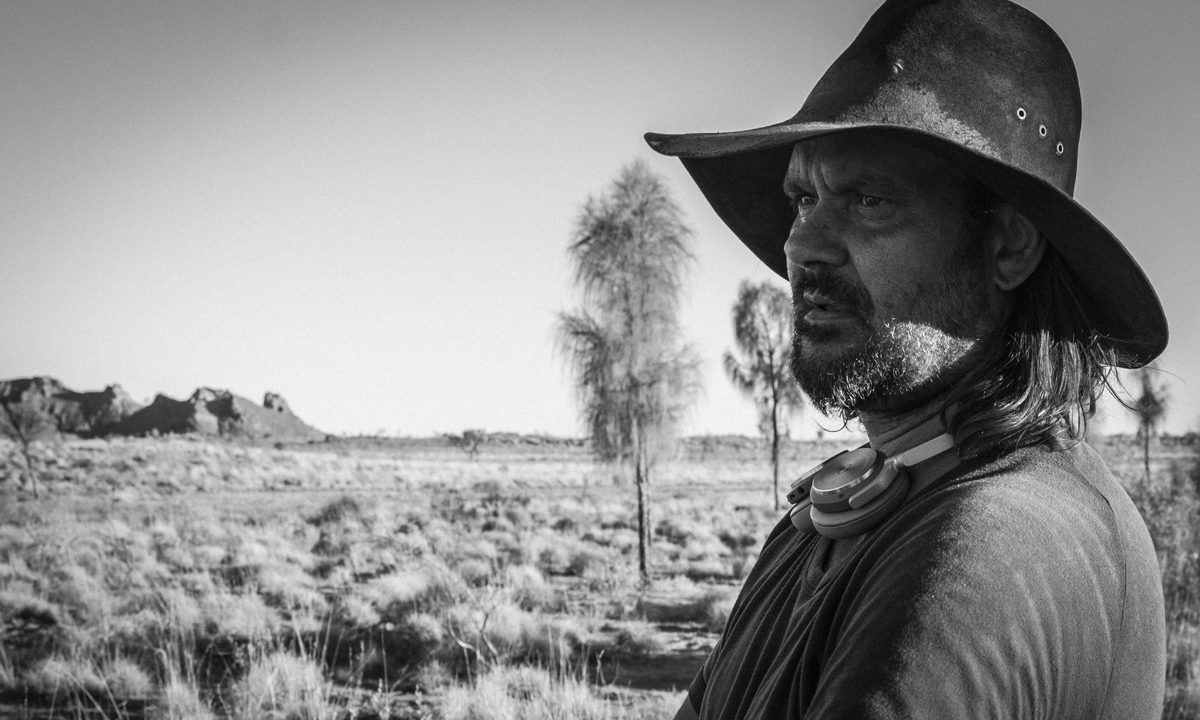
Venetian viewers gave a standing ovation at the world premiere of Sweet Country in September.
The period western from Warwick Thornton – the first Indigenous Australian director with a film in competition at Venice – claimed the Biennale’s Special Jury Prize and the Venice Critic’s award for Best Film.
Days later, the spiritual epic took home Best Film in the Platform competition at Toronto International Film Festival. Next stop: Adelaide Film Festival, where it’s one in a trove of films accentuating the Indigenous lived experience.
Sweet Country is a sunburnt saga about race, justice and endurance.
Based on real events, it charts the story of Aboriginal stockman Sam (Hamilton Morris) and his wife Lizzie (Natassia Gorey-Furber) as they’re pursued across the Northern Territory’s frontier in 1929.
You might like

Bryan Brown plays Sergeant Fletcher, a police officer determined to catch Sam and bring him to trial for the murder of station owner Harry March (Ewen Leslie). Sam Neill supports as a neighbouring landowner.
In 22 speedy days, the film was shot in Central Australia, the mid-north of SA and down through the Eyre Peninsula.
Cinematography by Dylan River (and Thornton, too) particularly showcases the MacDonnell Ranges. This extraordinary region is only an hour’s drive from Alice Springs – home of cast members Morris and Gorey-Furber, as well as a pre-teen Thornton. The town also backdropped the director’s Caméra d’Or-winning debut, Samson and Delilah (2009), which premiered at Adelaide Film Festival in 2009.
Subscribe for updates
This is Thornton’s first feature drama since then. The prolific filmmaker has been occupied as a writer and cinematographer. Earlier in 2017, he directed the documentary We Don’t Need a Map, exploring the significance of the Southern Cross.
To see where the visionary got started, don’t miss Payback, his first short film. It’s part of the 1996 From Sand to Celluloid anthology, screening at ADL Film Fest for its 21st anniversary. Following the session, the Indigenous Stories on Screen forum will discuss the six landmark shorts and their lasting impact on First Nations filmmakers, many of whom have phenomenal work in this year’s program.
Larissa Behrendt is a Eualeyai/Kamillaroi woman, and director of After the Apology. Her documentary responds to the rising number of Aboriginal children still being forcibly removed from their families.
One of Australia’s most cherished singers is celebrated in Paul Williams’ The Documentary of Dr G Yunupingu’s Life. The shy, gifted musician passed away in July, so this will likely be a bittersweet valediction, but vital viewing nonetheless.
Then there’s Kiki and Kitty, a comedy series from Gamillaroi/Torres Strait Islander woman Nakkiah Lui and Kunai Gurnai woman Catriona McKenzie (writer and director, respectively). This absurdist show casts Black Comedy star Lui as Kiki, a “good black girl in a bad white world”, who comes face-to-face with Kitty, the personification of Kiki’s vagina.

Sweet Country premieres on Saturday, October 7. Adelaide Film Festival runs from Thursday, October 5, to Sunday, October 15. Explore the full program here.
Want to see more stories from InDaily SA in your Google search results?
- Click here to set InDaily SA as a preferred source.
- Tick the box next to "InDaily SA". That's it.
Free to share
This article may be shared online or in print under a Creative Commons licence