New SA literary journal launches inaugural writer callout
A new South Australian literary journal is calling for writer submissions. Its editor – Farrin Foster – lays out its aspiration to bridge the gap between SA and the national and international literary industry.

For about 15 years now, I have been flailing about in one medium or another trying to earn out the title of “writer” that I pre-emptively gave myself in my early 20s. (A man at a party told me it was the quickest path to becoming whatever I wanted to be, but he didn’t reckon with the enormous gaping void between his healthy-to-delusional confidence level and my unshakeably low confidence.)
I’ve tried all the big-hitting traditional channels – radio, film, newspapers, books – and have inspired some lukewarm praise and a lot of positive rejection letters. The letters say things like (exactly like): this film/podcast/book/article is very compelling/important/delightful, but we won’t be giving you the prize/grant/commission.
It would be a huge relief to blame this all on my geography, but clearly South Australia shouldn’t be held entirely responsible. South Australia has produced a great many excellent and successful writers across all genres and mediums. Some of the problem is me.
But, South Australia doesn’t make it easier.
There are only a couple of highly specialised literary agents based in SA, and just a handful of small (but resilient) publishers. We have the excellent Saltbush Review online, but haven’t had a locally-produced print literary journal since Wet Ink shuttered in 2012. InReview offers freelance writing opportunities, but beyond the Solstice stable, there are few local publications paying living rates for writing.
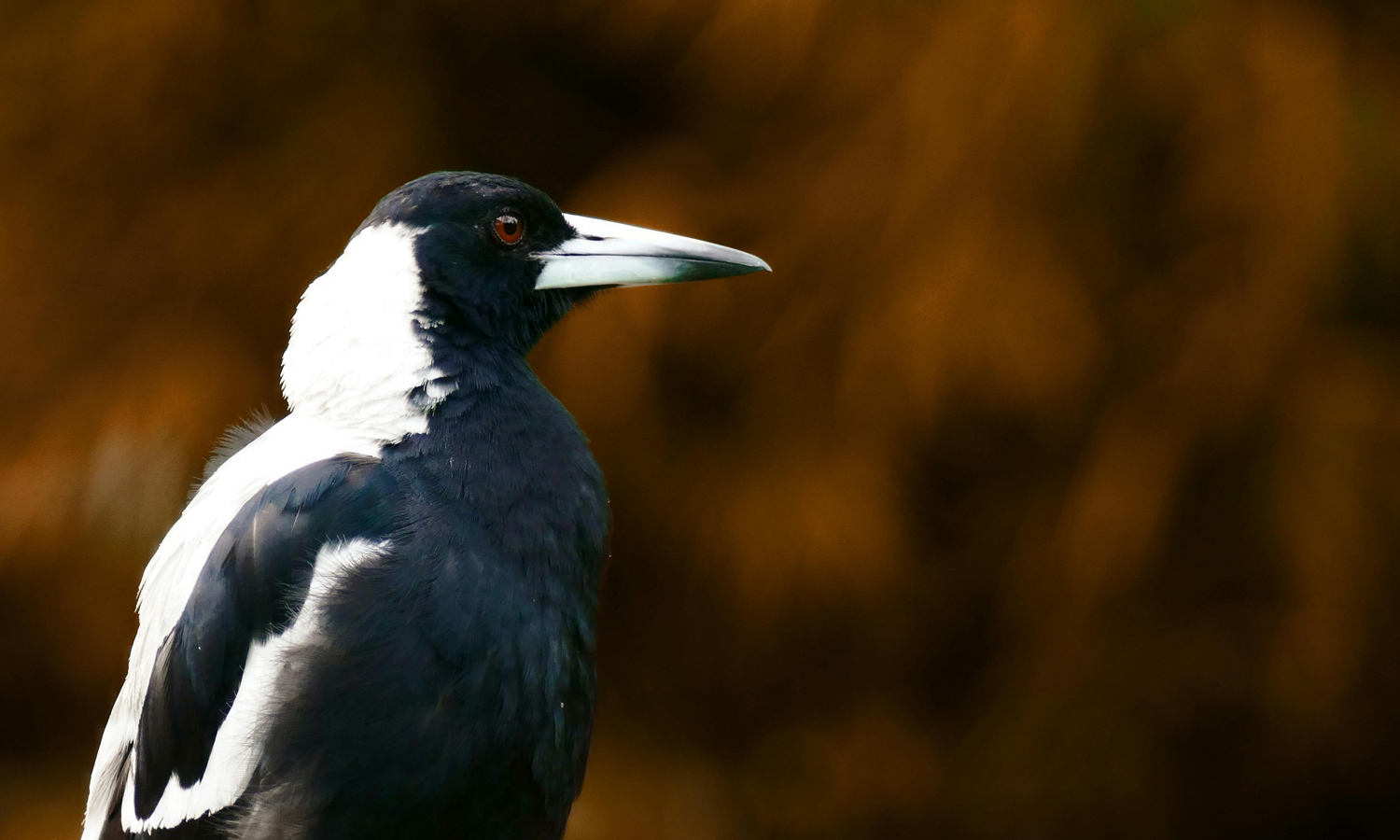

The internet, of course, folds distance in on itself, sometimes scrunching it to the point of disappearance. But when it comes to the literary world, the technology doesn’t seem to have worked.
South Australian writers (and those in WA, NT, and Tasmania) reach endlessly toward a literary sector concentrated on the (*cue scary music*) eastern seaboard. It is not that arriving there is impossible. People have done it and will keep doing it. The reaching, though, is inherently depressing and the distance makes everything feel opaque. I, and many other writers like me, feel like we don’t know what the industry really wants, and we certainly don’t know who is flicking the levers of power.
Every time I send out a pitch, I am jettisoning my hopes into an uncaring void. It is terrifying out there.
I have recently taken a job at Writers SA, an organisation that has long been building a bridge across this gap. I am now the inaugural editor of a new South Australian literary journal that continues that work. Splinter will publish twice a year in print, with its first issue due out this November. It originates from a collaboration between Writers SA and all three of the state’s universities, and has support from Arts SA.
"I want writing that speaks (maybe only indirectly) to the weird psychological state of 2024…"
A couple of weeks ago, we launched our first writer callout. We are open to submissions from writers everywhere, but we will be publishing at least 25 per cent South Australian writers. This is important to me. I want to bring South Australian writers together with national and international writers on Splinter’s pages. I want us all to be read side-by-side so that it is clear South Australian geography hasn’t dulled our writers’ skill or insights.
Subscribe for updates
Equally important to me is that we publish writing that is truly excellent – compelling, mind-bending, non-derivative, representative, intellectually rigorous and fun. I want writing that speaks (maybe only indirectly) to the weird psychological state of 2024, where reality has become slippery and fractured. I want writing across fiction, non-fiction and poetic forms.
I have recklessly set no word-count limits in the hopes of inviting in the widest array of writing possible (but, please don’t send me your book). Splinter needs to be worth reading. It must be a good read – both for people at home and those further afield. Otherwise, it can never achieve its aim of conveying South Australia’s writing out to the world.
So, please send me your writing. I can’t promise to commission it, but I can promise that when you send it, you will be sending it to me – a person who you might see in Foodland (please, don’t talk to me if you do, it is an emergency and I have just run out of hummus), and who struggles to hold up the mantle of writer as much as any other average mid-career writer does. You won’t be sending it into that deafeningly silent void.
Splinter’s submissions close on July 22. You can find more information on the website. Submissions are via the Writers SA Submittable page.
Want to see more stories from InDaily SA in your Google search results?
- Click here to set InDaily SA as a preferred source.
- Tick the box next to "InDaily SA". That's it.
Free to share
This article may be shared online or in print under a Creative Commons licence