A matter of pronouns
It started with a haircut… ActNow Theatre co-CEO and executive director Rhen Soggee gets personal in this article explaining why they use they/them pronouns, and how identifying as gender non-conforming can create challenges that blur the boundary between a person’s private and the professional lives.
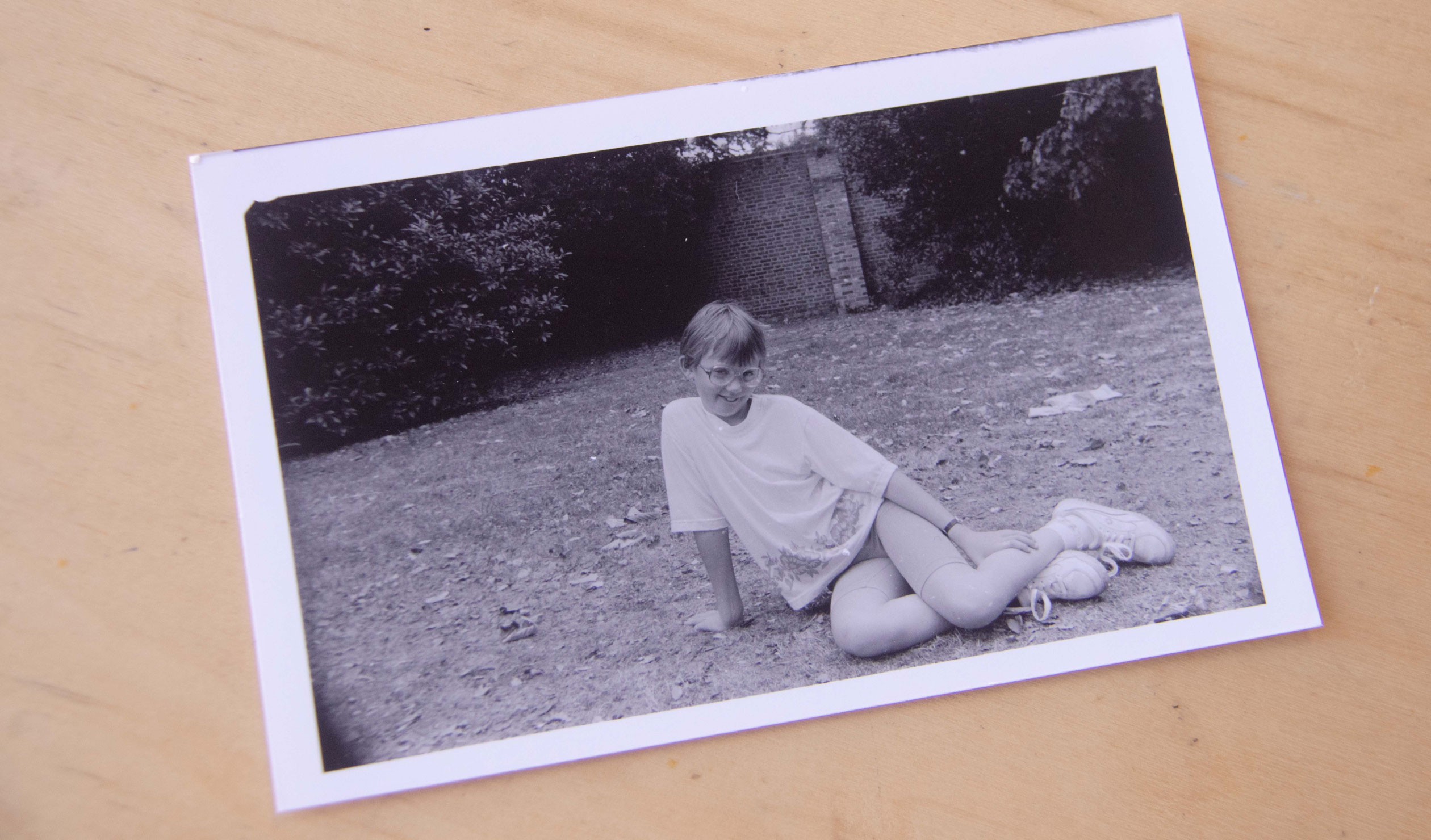
The day I cut my hair short, I got called into the principal’s office.
I was young, but old enough to know that your hair could say something important about you. The closet thing I could articulate was that I felt like a boy, and so I wanted to cut mine short. It would mean I would recognise (and maybe even feel at ease) with the person I saw reflected back in the mirror – even if I wouldn’t articulate it out loud.
When I finally got the cut at age six, it wasn’t particularly flattering – imagine an awkward ’90s kid with a Nick Carter-style mop, only with mousy blonde hair. The other kids didn’t really understand it and it was only through intense pestering for several years that I’d gotten this far with my parents, who also didn’t entirely approve. Still, I felt on top of the world.
But now, the principal was telling me I would have to grow it out again: “It is inappropriate for a girl to have a boy’s haircut,” he said with an air of finality.
I left that room fuming. I had to wait nearly five years, until the last day of primary school, before I was free of him and I promptly cut my hair again.
That wouldn’t be the first time I was told who I was wasn’t acceptable, and it wouldn’t be the last.
More than a pronoun
I’ve since made other choices that the people in my life have struggled with. One of them was adopting new pronouns. I now use they/them because I don’t identify along the binary of either male or female.
You might like

Asking people to address me with they/them pronouns felt important, so much so that I felt vulnerable in the aftermath of that decision – after all, how people refer to you, the language they choose, is something you encounter constantly. Being misgendered can leave you feeling disrespected and embarrassed, and can even be disorienting.
When I meet people for the first time, they often assume I’m female and use she/her pronouns. I recognise that this means I’m safer in some ways – which is a privilege. I don’t have to wonder whether someone is trying to read my gender like many other transgender or gender non-conforming people, and I’m less likely to be perceived as threatening when they can’t decide. But being labelled a woman is being sent back to that principal’s office and seeing a distorted identity reflected back at me – it can trigger a struggle with gender dysphoria, where I experience a profound disconnect between how I feel and how the world sees me.
It isn’t until you’ve asked for something like this that you recognise how persistent and pervasive gender norms truly are – and how uncomfortable it can make people when we challenge these entrenched ideas in any way.
"Over the years, I found that the organisations I worked with struggled to adapt"
Many struggle to understand that gender identity isn’t visible, it can be markedly different from the sex you are assigned at birth and it can be markedly different from your gender presentation (which is often influenced by safety). It’s also not necessarily fixed, and folks become impatient with the idea that my pronouns might change over time, even over the course of a single morning.
Yet, none of this should truly feel strange – don’t we all subvert those rigid, often absurd, gender roles in some way? And don’t we all have an internal sense of identity that shifts and evolves across the different phases of our lives?
As a white person, I’ve also been privileged not to have to deal with other intersections that make this challenge even more complex.
Decolonising gender
I realise I am in the middle of a movement in the Western world that is gathering momentum toward greater acceptance of all the beautiful and varied identities that make up our communities. I’m a migrant from a colonial country, living on colonised land, land which was never ceded, and it has been critical for me to recognise that these constructs of gender have been imposed by these roots and need to be decolonised. That we must undo the violence and harm caused by now outdated systems of morality and ways of thinking.
There’s growing awareness that gender is a construct and that it can be fluid. There are lots of ancient cultures across the globe that think that those of us who step away from the binary, cross the binary or live in the intermediary are considered beautiful, highly regarded and even spiritually gifted. First Nations folks on the land I’m settled on are often known as Brotherboys and Sistersgirls. First Nations folks from the North Americans, or Turtle Island, often held intersex and androgynous people in high respect, honouring them as “two-spirit” people.
Subscribe for updates
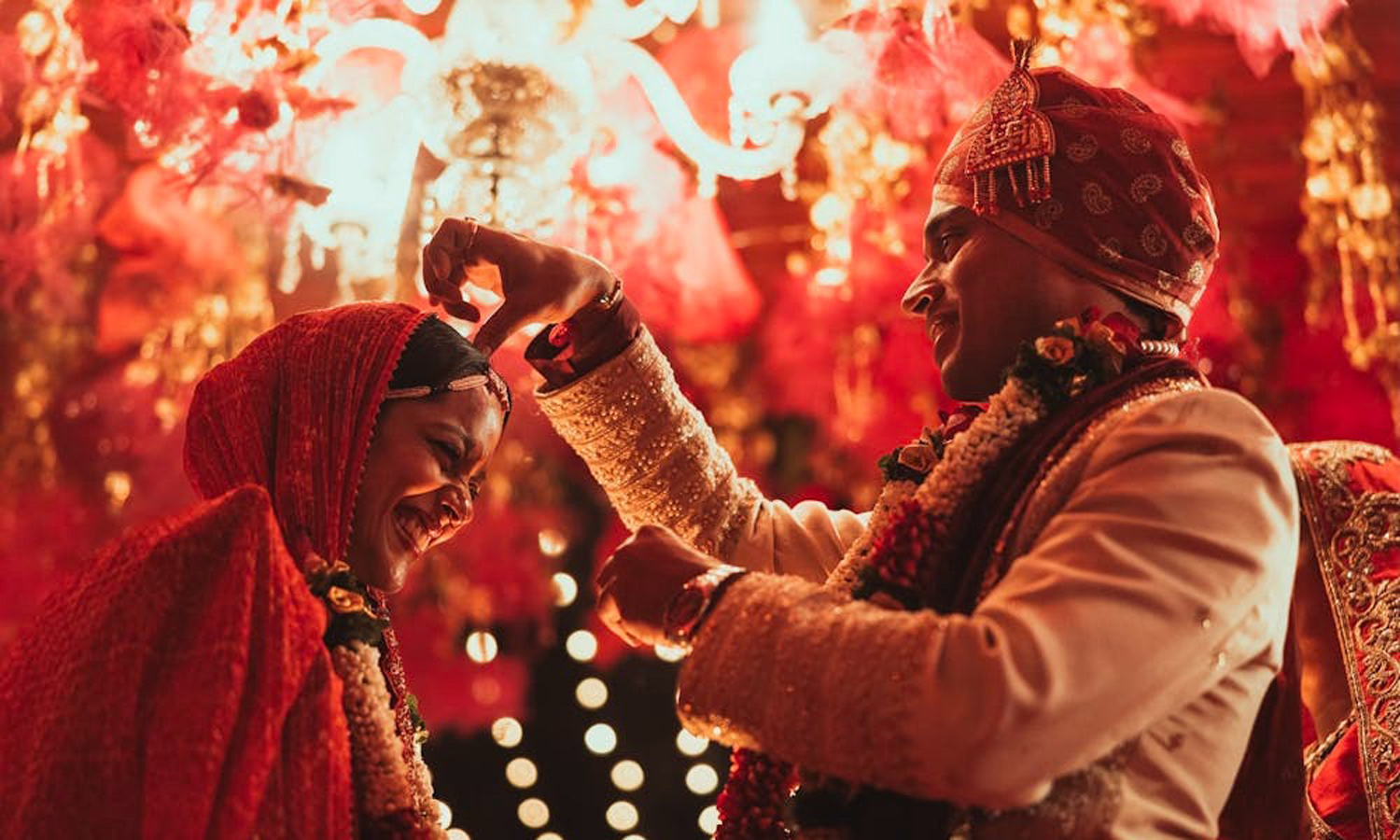
Closer to home, in Samoa there are the Fa’fafine people who identify themselves as having a third gender or non-binary role, whilst in India, eunuchs or hijras were often invited to auspicious occasions like the births of children and weddings, where they were thought to have the power to curse or bless fertility – but they were considered “ungovernable” by the British, who erased and repressed anything beyond their instituted binaries.
When the personal is professional
Identifying as gender non-conforming can manifest challenges that routinely blur the lines between the personal and the professional.

Over the years, I found that the organisations I worked with struggled to adapt. Some days it felt like I spent more time explaining myself than doing the work I wanted to do.
I’m currently the executive director and co-CEO at ActNow Theatre, which makes me one of the very few people I know of at this level of management in the arts industry who is openly gender non-conforming. I see it both as a great responsibility and a gift – I remember being told, “You can’t be what you can’t see”, and I know this representation matters. And this work is an amazing opportunity to create the kind of spaces where people are free to be themselves, and where they are allowed to thrive.
At ActNow, respect starts with something as basic as asking for everyone’s pronouns at our weekly meetings – and recognising these may change or be fluid. Our entire team, especially those who identify as cisgender, provide their pronouns on their email signatures as a natural extension of an office ethic in which we support each other by ensuring that it’s not just one person’s responsibility to care about or request for change.
And of course, it extends all the way up to the kind of programs we create and the opportunities we offer to artists who belong to groups that have often been marginalised and discriminated against.
In our Queer Youth Theatre Workshops and in our new MakeSpace Residencies, we’re creating opportunities for people to do the work that matters to them in a space where they will never have to explain themselves (or their pronouns). Through these projects, we’re so proud to have played a role in supporting the kind of representation that comes from lived experiences rather than prescribed stereotypes. I don’t love the way the word “authentic” is bandied about, but it applies here.
Our work has never felt more important than during this pandemic, when I know many of the artists and communities we work with have found that isolation has intensified the challenges they already faced. As work has dried up and as personal spaces have shrunk, they’ve found themselves struggling to make do, trapped in rooms with people who reject their choices. Further, there are the ongoing issues and struggle to find work because they don’t pass. The emotional labour they do to make others feel comfortable can be invisible to those around them – but that doesn’t make it any less demanding.
You might think using the right pronoun is insignificant in the face of all this, but that is far from the truth. It is truly seeing people for how they want to be seen. It is listening when they ask, it is offering respect for their identity. It is foundational to how we operate as teams, and as friends, families, framelies (friend-families) and communities.
The beauty of it is that it isn’t hard or complicated – simply ask what pronouns I choose and then do your best to use them. And remember, it’s alright if you forget sometimes. Apologise. Move on. Call it out if you see someone else doing it. Normalise it so people don’t get stuck and so it’s not a big deal – as it shouldn’t be!
Rhen Soggee is the executive director and co-CEO of ActNow Theatre, and this article was first published on the ActNow website. Rhen’s suggested options for further reading include The Pronoun Lowdown by Nevo Zisin, The GENDER Book by Mel Reiff Gill and Jay Mays, and Pronouns Matter, with more resources available here.
Want to see more stories from InDaily SA in your Google search results?
- Click here to set InDaily SA as a preferred source.
- Tick the box next to "InDaily SA". That's it.
Free to share
This article may be shared online or in print under a Creative Commons licence